


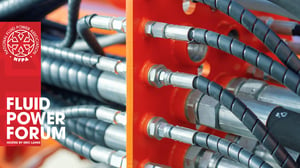
Welcome to the latest edition of the Fluid Power Forum, where we dive deep into the ever-evolving world of fluid power technology. In this episode, we had the pleasure of sitting down with Paul Michael, the Director of the Fluid Power Institute at the Milwaukee School of Engineering, to discuss an essential topic in our industry: leak prevention in hydraulic systems.
Understanding Hydraulic Innovations
Hydraulics are the backbone of countless industrial applications, thanks to their power and versatility. However, the very nature of hydraulics means they are often under significant stress, making leak prevention crucial to maintaining their reputation and efficiency. The National Fluid Power Association (NFPA) recognized this need and worked with industry experts like Paul Michael to produce a comprehensive whitepaper, "Preventing Leaks in Fluid Power Systems."
Key Insights from the NFPA Whitepaper
Paul Michael emphasized that understanding hydraulics' modular nature is essential for assembling effective systems while mitigating leakage. Fluid power experts can customize systems using components from various suppliers, but managing the pressure envelope remains critical.
According to the NFPA survey cited in the whitepaper, key issues related to hydraulic leaks include customer satisfaction, downtime, and warranty costs—all priority concerns for achieving optimal performance.
Main Causes of Leaks
The whitepaper identifies adapters and connectors as the primary culprits in hydraulic leakages, due to their role in connecting different system components. Beyond these structural aspects, 31 other causes were identified, including design flaws, installation and maintenance challenges, and material compatibility issues.
To counter these, the whitepaper recommends robust engineering practices, emphasizing that well-designed and maintained systems should fundamentally avoid leaks.
Designing for Leak Prevention
An effective leak prevention strategy begins at the design stage. This involves thoroughly understanding the application—accessibility, operating environments, compatibility, and assembly—and selecting appropriate components to withstand operational demands. As Paul pointed out, the key is not just in selecting parts but ensuring that they meet the system's customized application needs and rigor.
Best Practices in Maintenance
While a strategic design is crucial, proactive maintenance plays an equally important role. A properly designed system requires less frequent intervention, allowing users to maintain focus on productivity rather than continual repairs.
The Future of Hydraulic Sealing and Leak Prevention
Looking towards the future, the whitepaper suggests that the fluid power industry should strive to replicate its successes in contamination control when addressing leak prevention. Paul Michael underscored the importance of standardization and education, recommending that industry players collaborate in developing new standards and methods that ensure system integrity.
Final Thoughts
We encourage all stakeholders in fluid power to engage with the NFPA's whitepaper to understand the best practices and innovations to manage and minimize leakage. As shared in this episode, the resource is a comprehensive guide for those looking to refine their systems for peak performance and sustainability.
For more insights, tune into the Fluid Power Forum and keep the conversation going on LinkedIn with the hashtag #onlyfluidpowercan.
Subscribe to the Fluid Power Forum today to never miss an episode. The podcast is available on all of your favorite podcast platforms, including YouTube, Apple Podcasts, Spotify, and iHeart Radio.
Read the full whitepaper at the NFPA Technology Reports website.
Connect with our host, Eric Lanke, at elanke@nfpa.com.
Connect with our guest, Paul Michael, at michael@msoe.edu.
Learn more about MSOE, at www.msoe.edu.
Find and share more interesting fluid power technologies and unique applications using #onlyfluidpowercan and follow podcast and other fluid power industry-related updates at @TheNFPA.
#Hydraulics #Sealing #LeakPrevention #Innovation #NFPAWhitepaper
